
Ijen Crater Phenomenon: The Charm of the Blue Fire and Why It Is Currently Invisible
East Java’s Mount Ijen has long been a global magnet for travelers. Its main draw? The Blue Fire—a rare phenomenon said to exist in only two places on Earth. However, recently, many hikers have faced disappointment as they were unable to witness this iconic sight.
What exactly is happening at Ijen Crater? Here is everything you need to know.
What is the Ijen Blue Fire?
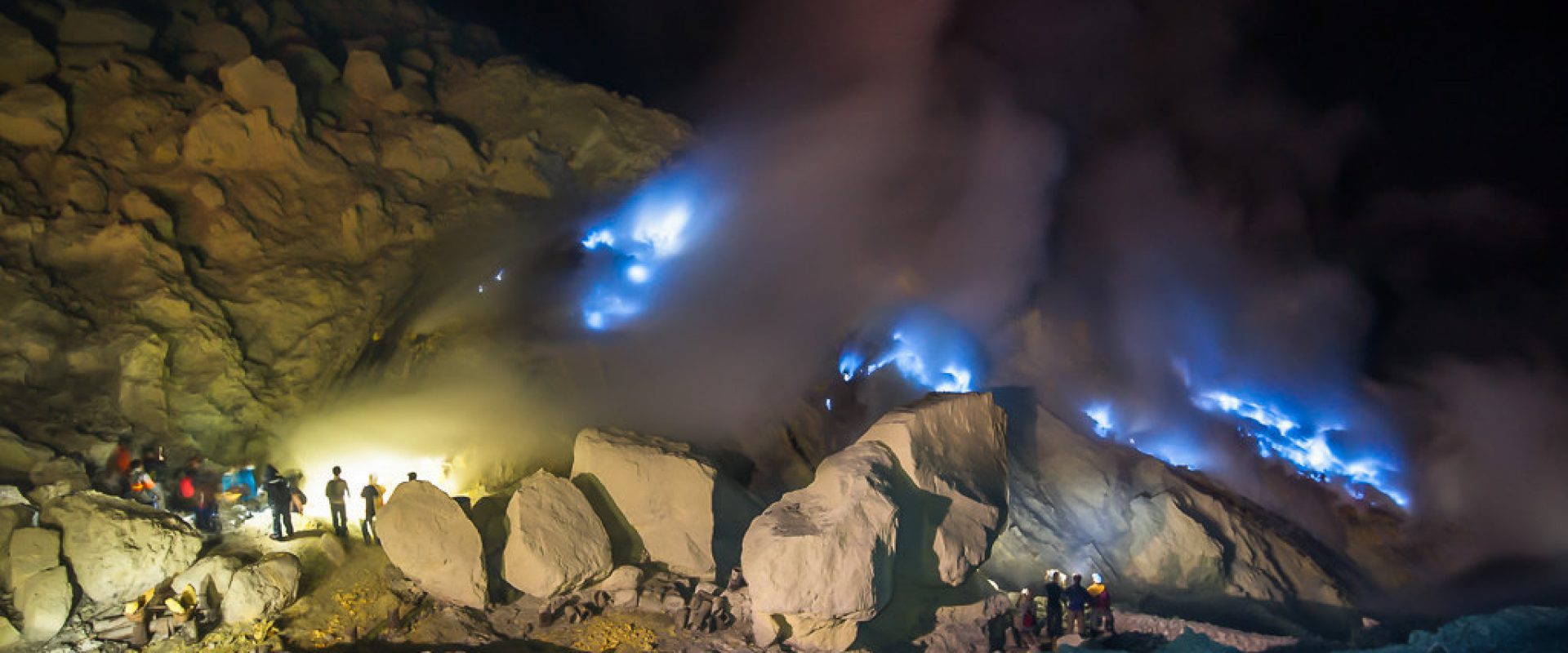
Before diving into why it’s currently restricted, it’s important to understand that the Blue Fire isn’t actually “fire” in the traditional sense. This phenomenon occurs when high-pressure sulfuric gases emerge from volcanic cracks and ignite upon contact with oxygen-rich air at temperatures exceeding 600°C.
The blue color is the result of the combustion of these sulfur gases. Because the blue light is subtle, it can only be seen in total darkness, typically between 2:00 AM and 5:00 AM.
Why You Can’t See the Blue Fire Right Now
If you are planning a visit soon, there are several key factors why access to the Blue Fire is currently restricted or why the phenomenon remains hidden:
1. Increased Volcanic Activity (Alert Status)
The primary factor is often an increase in volcanic activity. Based on observations from the Center for Volcanology and Geological Hazard Mitigation (PVMBG), if the concentration of toxic gases—such as $SO_2$, $H_2S$, and $CO_2$—rises, the safety radius for hiking is tightened.
2. Ban on Descending into the Crater Floor
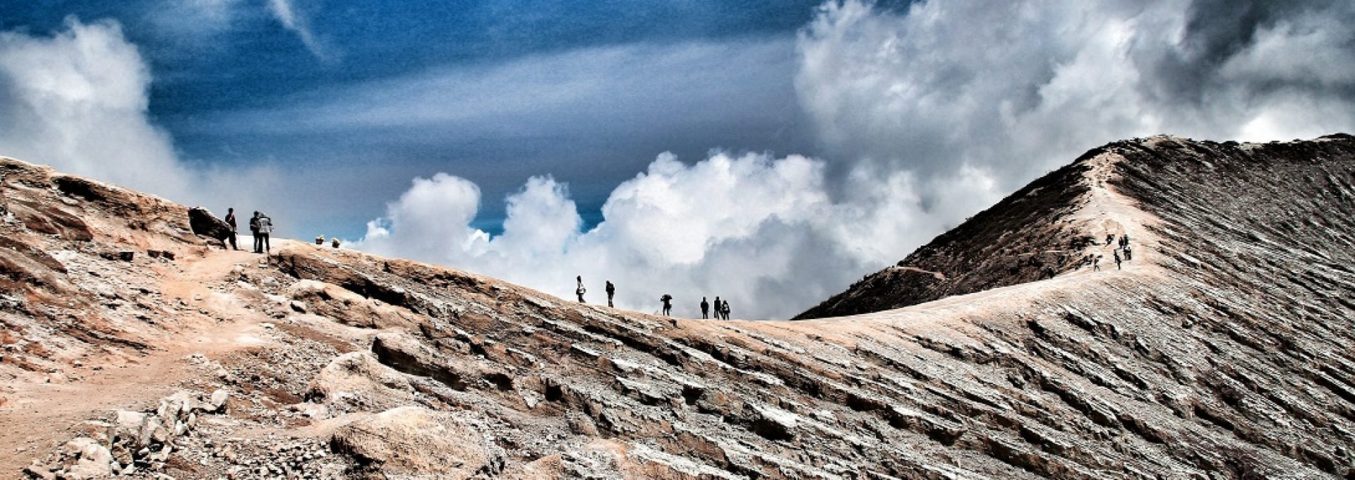
To see the Blue Fire up close, hikers must descend to the floor of the crater via a steep path used by sulfur miners. Currently, for visitor safety, the management (BKSDA) frequently prohibits activity at the bottom of the crater. Visitors are only allowed as far as the crater rim to view the sunrise and the acidic lake.
3. Weather Conditions and Trail Safety
Heavy rainfall can make the hiking trails slippery and increase the risk of landslides on the crater walls. Additionally, high humidity and fog often thickens during the rainy season, masking the blue glow even if gas activity is high.
Is Ijen Still Worth Visiting Without the Blue Fire?
The answer is: Absolutely! Ijen Crater offers breathtaking beauty even without its blue flames:
-
The World’s Largest Acidic Lake: The sight of the turquoise-green lake contrasting against the white and yellow volcanic walls is unforgettable.
-
Epic Sunrise Point: Enjoying the sunrise from an altitude of 2,386 meters above sea level with a backdrop of surrounding mountain ranges.
-
The Sulfur Miners’ Journey: Witnessing the resilience of local miners who carry loads of up to 80kg up and down the mountain is a humbling experience.
Latest Tips for Visiting Ijen Crater
-
Check the Status: Monitor the official Instagram account @bksda_jatim for updates on volcanic activity and opening hours.
-
Bring a Gas Mask: Even if you only stay at the rim, a respirator mask with a proper filter is highly recommended to avoid the pungent sulfur fumes.
-
Dress in Layers: Temperatures at the summit can drop to 5°C or 10°C.
-
Book Tickets Online: Ensure you book through the official website to secure your spot within the daily visitor quota.
Conclusion
While the Blue Fire may be “resting” for safety reasons, the natural grandeur of Ijen Crater remains a must-visit destination in East Java. Always prioritize safety and follow the instructions of the rangers on duty.